

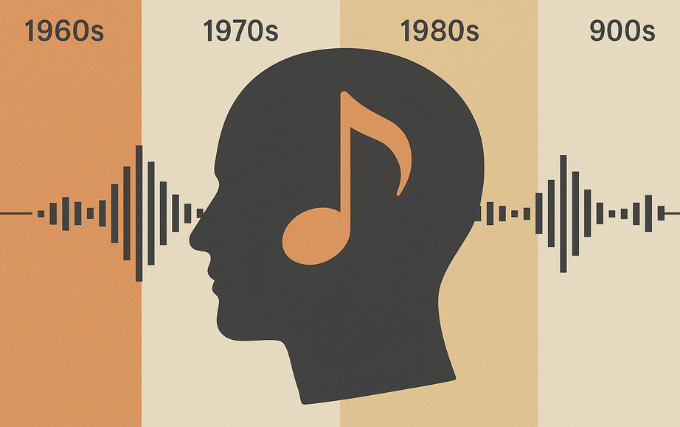
Discovering Heardle Decades and Its Global Appeal
For music lovers who enjoy challenging their knowledge of classic classics, Heardle Decades has swiftly become a global phenomenon. Heardle Decades lets players immerse themselves in particular eras, such the 1960s, 1970s, 1980s, 1990s, and 2000s, in contrast to the standard version of Heardle, which concentrates on a variety of popular songs. Users are required to identify the music as fast as possible in each daily challenge, which only provides a tiny audio clip. Heardle Decades is one of the most inclusive and enjoyable guessing games available online because of its distinctive experience, which appeals to both younger audiences learning about music history and sentimental listeners.
The structure is straightforward but compulsive. Each incorrect guess unlocks a somewhat longer sample, and players have six chances to identify the proper tune. This design provides opportunities for learning and development while rewarding quick recognition. Heardle Decades is a memory test and a tutorial in historic sound trends, from disco and funk to grunge and early pop, because it divides music by era. Millions of gamers continue to return every day because of its ability to blend education, entertainment, and everyday involvement.
Why Heardle Decades Stands Out from Traditional Music Games
Heardle Decades is unique in that it offers a carefully chosen musical experience based on particular eras. Instead than selecting music at random, users select an era they are familiar with or wish to learn more about. This personalization improves gaming and prolongs player engagement. These nostalgic playlists provide new listeners with a systematic introduction to iconic songs that influenced music history, while music enthusiasts who grew up with the advent of rock or hip-hop find solace in them. Heardle Decades thus strikes a better mix between difficulty and entertainment than many conventional music quizzes.
Its accessibility is yet another significant benefit. Heardle Decades doesn’t require a paid subscription, app download, or sign-up. All players have to do is select a decade and begin speculating. Because each game lasts less than a minute, it’s ideal for everyday casual play or short breaks. Additionally, the game promotes social connection since players frequently strive to acquire the fastest right response or discuss their findings with others. Convenience, personalization, and community all work together to make Heardle Decades a unique digital music experience.
How the Gameplay Mechanics of Heardle Decades Work
Mastering the daily challenges requires an understanding of how Heardle Decades operates. A one-second clip of a song from the selected decade opens the game. In order to hear a fuller version, players can either guess or skip. The player is not penalized for incorrect responses; instead, each round merely offers a somewhat longer clip until the sixth and last attempt. Players who identify intros, catchy tunes, or unique voice styles that characterize each decade are rewarded in the game. This framework combines musical awareness, memory, and intuition in an entertaining, quick-paced manner.
The mechanics’ simplicity and fairness are what make them so appealing. Each participant is given the same song for that day within the decade they have chosen, fostering a sense of community around the globe. As users get better, they start to identify trends in genre, instrumentation, production methods, and patterns. This learning curve adds to the game’s addictive qualities, enticing players to come back every day to improve their listening abilities. Heardle Decades turns listening to music passively into an active, skill-building challenge.
Exploring Each Era Featured in Heardle Decades
Each decade in Heardle Decades has a distinctive musical character, including an incredible spectrum of eras. The 1960s category focuses on the emergence of rock ‘n’ roll, Motown, and folk classics that laid the groundwork for contemporary music. With instantly identifiable basslines and vocal harmonies, the 1970s playlist highlights the development of disco, funk, and soft rock. One of the most well-liked genres for fans of upbeat music is the 1980s, which introduces listeners to synth-pop, new wave, and memorable guitar riffs.
A more modern vibe is introduced by the 1990s and 2000s. Grunge anthems, boy-band hits, hip-hop innovations, and early electronic trends that continue to shape modern music are all encountered by players. Every decade offers a different sound environment, enabling players to find trends within historical periods or listen to tunes from their early years. Heardle Decades transforms from a game into an ongoing musical timeline that honors artistic evolution across generations by arranging obstacles chronologically.
Why Nostalgia Plays a Major Role in the Popularity of Heardle Decades
Heardle Decades skillfully appeals to the strong emotion of nostalgia. Many players find that hearing a well-known introduction instantly takes them back to particular moments in their lives, such as school days, childhood recollections, or cultural events associated with well-loved musicians. The daily guessing task has more significance than a standard trivia test because of this emotional link, which increases participation. Through score posts or friendly rivalry, people can share the comfort of identifying music from their past with others.
The popularity of the game is influenced by both individual and group nostalgia. From Queen and The Beatles to Nirvana and Beyoncé, iconic performers from every decade have enormous cultural significance. Heardle Decades offers a venue to commemorate the solidarity of generations united by these common musical benchmarks. By preserving the greatest sounds from every era, the game turns into a digital time capsule that appeals to a wide range of age groups and musical tastes.
Strategies to Improve Your Score in Heardle Decades
It takes more than just good fortune to raise your score in Heardle Decades; you also need to comprehend the musical styles of each era. Immersion in playlists from the decade of your choice is a useful tactic. Regular listening can teach your ear to identify famous song patterns, vocal styles, and instrument tones. After being exposed to similar artists and genres for a few days, players frequently discover that intros that first seemed strange become simpler to recognize.
Concentrating on signature noises is another useful strategy. Every decade has distinctive features, such the synthesizers of the 1980s, the grunge guitar tones of the 1990s, or the R&B harmonies of the early 2000s. You can more successfully refine your guesses by identifying these auditory cues. To make it simpler to recognize potential contenders when the sample plays, some players even mentally compile a list of significant performers from each era. These techniques greatly improve your odds of recognizing the music on the first few tries.
Heardle Decades as a Tool for Music Discovery
Heardle Decades is a great way to find new music, but it’s also entertaining and competitive. Many players rediscover tunes they had forgotten existed or come across songs they had never heard before. Users are frequently persuaded to seek up the entire song after each skip, which unveils a lengthier section of the music. This piques gamers’ interest, promotes exploration, and exposes them to genres they might not have otherwise encountered.
The educational value is equally significant. Heardle Decades is frequently used by students studying music, culture, and media to examine how sound changed over time. The clips showcase unique production techniques, literary themes, and musical advances influenced by advancements in technology and society. Heardle Decades improves your knowledge of music history in an entertaining, approachable way, regardless of your level of musical interest.
The Role of Social Sharing in the Success of Heardle Decades
The emergence of Heardle Decades is mostly due to social networking. Players like posting their daily results on social media sites like Reddit, TikTok, and Twitter, much like Wordle did. Usually showcasing the number of efforts made to complete the daily challenge, these articles encourage friendly competition and conversations. Heardle Decades has grown quickly because to the viral sharing effect, making it a well-known online game.
Social sharing promotes community in addition to competition. Through their shared passion for music, fans from various backgrounds come together to debate musicians, recommend songs, and compare the difficulty of recent obstacles. This cooperative feature turns the individual gaming experience into a more extensive cultural dialogue. Long-term player engagement is maintained by the sense of community and shared memories, which also helps bring the game to new audiences on a daily basis.
The Educational Benefits of Playing Heardle Decades
For those interested in history, music theory, or cultural change, Heardle Decades provides real educational benefits. Players start to notice shifting patterns in rhythm, melody, instrumentation, and voice style when they come across songs from various eras. Across generations, this exposure fosters a greater appreciation for artistic inventiveness. Teachers occasionally use the game in their lessons to give pupils an engaging opportunity to learn about famous artists and musical movements.
The game also improves listening abilities. Focus and pattern recognition are necessary to identify a track from a one-second clip, both of which improve auditory perception. Players become more aware of minute subtleties, such as instrument layers or chord progressions. Because of this, Heardle Decades is more than simply a hobby; it’s a tool that fosters musical intelligence while being incredibly entertaining.
Future Trends and Expectations for Heardle Decades
Heardle Decades is well-positioned to increase its features and reach as digital entertainment develops. In addition to thematic categories like jazz classics, movie soundtracks, or international successes, many players expect to see other decades added. These additions would increase the game’s musical variety and draw in even more players. Future iterations might possibly include customized playlists or skill-level-specific difficulty settings due to the growth of AI-driven music tools.
Additionally, there is a chance that the game will work with streaming services. When Heardle Decades is integrated with Spotify or Apple Music, users may be able to quickly listen to entire songs, find similar musicians, or create personalized playlists based on puzzles they’ve solved. These improvements would increase player engagement and turn the game into an even more potent music discovery tool.
FAQs
Q: What is Heardle Decades?
A: In the music guessing game Heardle Decades, players must identify songs from brief audio samples from several eras, including the 1960s, 1970s, 1980s, 1990s, and 2000s.
Q: Is Heardle Decades free to play?
A: Indeed. There is no need to download or register for the game; it is completely free.
Q: How many attempts do players get?
A: Each of the player’s six efforts reveals a longer audio clip.
Q: Can Heardle Decades help improve musical knowledge?
A: Absolutely. It introduces listeners to new songs, improves listening skills, and promotes music history exploration.
Q: Why is Heardle Decades so popular?
A: It appeals to a broad spectrum of music lovers due to its blend of nostalgia, simplicity, challenge, and social sharing.
Conclusion
Heardle Decades has revolutionized digital music guessing games by fusing pleasure, education, strategy, and nostalgia. Its decade-based format challenges players to recognize great songs with few hints while enabling them to connect closely with their favorite eras. The game offers a daily experience that is entertaining and intellectually interesting, making it appealing to both seasoned music aficionados and inquisitive beginners. Heardle Decades is more than simply a game—it’s a celebration of music spanning generations thanks to its engaging design and expanding international community.
Heardle Decades is a timeless reminder of the songs and performers who influenced our world, even as music culture continues to change. Every task encourages you to recognize the creativity that characterizes each decade, whether you play for nostalgia, competition, or exploration.